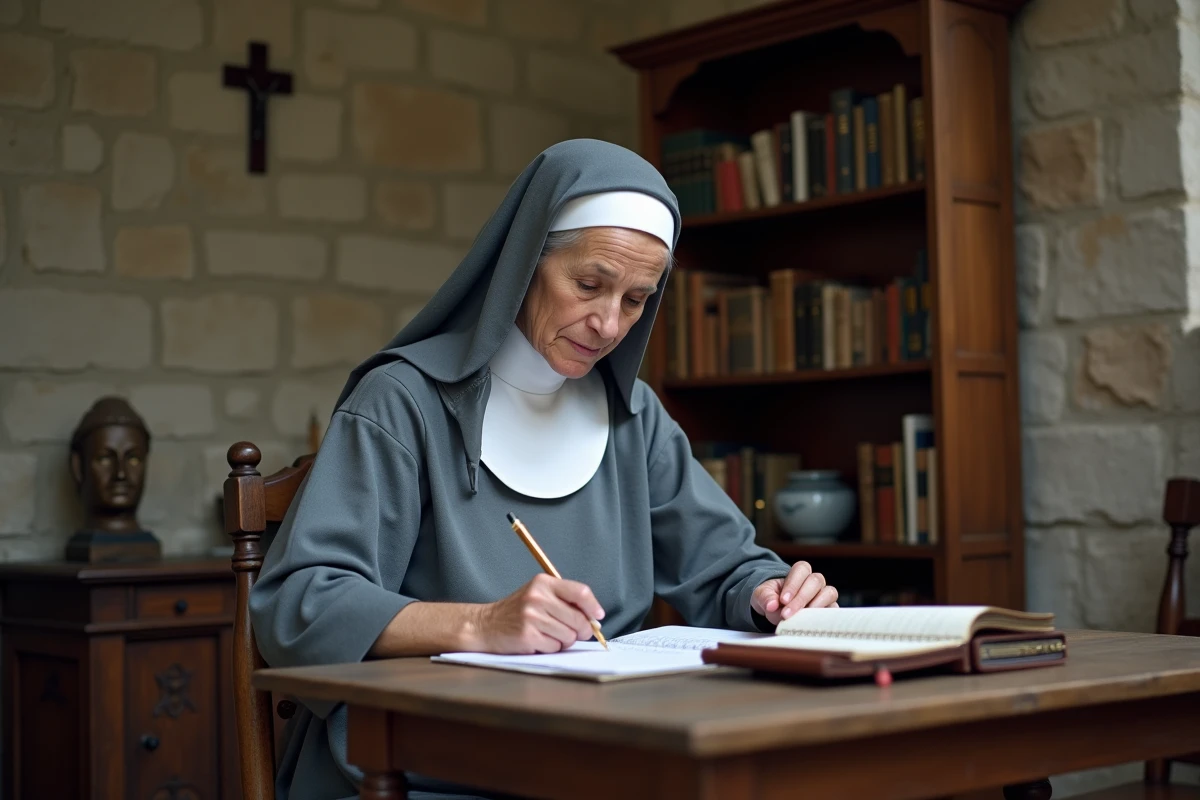
A religious sister in France does not receive a salary in the sense of the Labor Code. The legal link that binds her to her congregation is not an employment contract, but a religious commitment. This distinction changes everything: no payslip, no salary negotiation, no contributions to the basic general scheme. The resources she has depend entirely on the internal organization of her community and a specific social protection scheme.
Cavimac: the social protection scheme for religious sisters
Before discussing amounts, it is important to understand the administrative framework. Religious sisters in France fall under the Cavimac (Pension, Disability, and Health Insurance Fund for Religious). This fund manages their health coverage, disability, and retirement.
The Cavimac is not an employer. It operates as a social security organization dedicated to members of religious communities. Congregations pay contributions to the Cavimac for each sister, which grants them rights to health insurance and a retirement pension.
To better understand the salary of a religious sister in France, one must abandon the traditional salary reading grid and think in terms of collective support.
Sisters who engage in professional activities outside their community (nurse, teacher, caregiver) can contribute in parallel to the general scheme. Their remuneration is then paid to the congregation, not into a personal account.
Concrete remuneration of a religious sister: what she receives daily
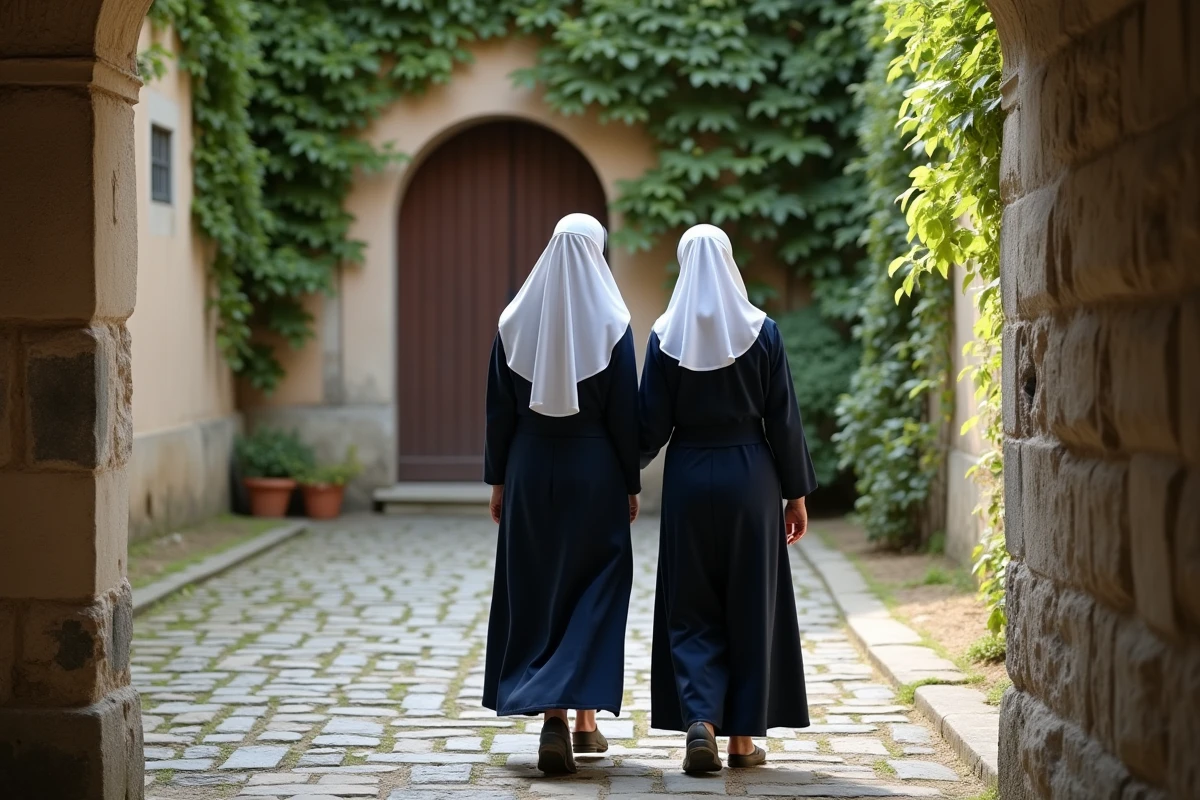
The word “remuneration” is misleading. A religious sister does not receive an individual income. The community pools all its resources: donations, pensions, income from activities (sale of monastic products, hospitality, crafts), and possibly the salaries paid by sisters who work outside.
In return, the congregation covers all the needs of each sister: housing, food, clothing, medical care. The amount that a sister “has” personally for her daily expenses is around the level of the RSA, which is a few hundred euros per month. This is not a payment into a personal bank account, but an internal allowance for needs that community life does not directly cover.
Where the community’s resources come from
- The economic activities of the congregation: manufacturing and selling products (candles, jams, hosts, cosmetics), hosting retreats, agricultural work.
- Donations from faithful, dioceses, or Catholic foundations, which constitute a variable part depending on the community’s notoriety and location.
- Pensions paid by the Cavimac for retired sisters, and the salaries of sisters working outside, fully redirected to the community.
Disparities between congregations are real. An abbey that welcomes thousands of visitors a year and sells its products online does not have the same finances as a small provincial Carmel with a dozen elderly sisters.
Social protection in case of serious illness or leaving the congregation
The Cavimac coverage allows religious sisters to access care under the same conditions as other insured individuals for routine procedures. Consultations, hospitalizations, and treatments are covered according to the usual rates of social security.
In the case of serious or long-term illness, the sister benefits from the long-term illness (ALD) scheme, just like any insured person. The Cavimac covers the care at 100% based on the social security tariff.
The congregation can supplement with a mutual insurance if it has subscribed to one, but not all do. For costly non-reimbursed care (certain prosthetics, specialized dental care), the community draws from its own resources or seeks help from other congregations.
Leaving religious life: financial consequences
A sister who leaves her congregation finds herself in a particular administrative situation. Her years of religious life count for the Cavimac retirement, but the accumulated pension amounts are low. The full-rate Cavimac pension remains well below that of the general scheme.
At the time of leaving, the former sister generally has neither personal savings nor real estate (a direct consequence of the vow of poverty). She must register with France Travail if she is looking for a job and may be entitled to the RSA while waiting to find work. The skills acquired in the community (management, accounting, teaching, care) are real but not always recognized by a diploma.
Some congregations provide temporary financial assistance to support the transition, but there is no legal obligation to do so. The duration and amount of this assistance vary from one order to another.

Pension of religious sisters: a very modest pension level
The pensions paid by the Cavimac to retired sisters are among the lowest in the French system. The amount depends on the number of quarters contributed, but even with a full career spent in a congregation, the pension remains significantly lower than the minimum old-age pension.
To compensate, retired sisters continue to live in community, where their needs are covered collectively. Congregations whose members age without replenishment face a structural problem: costs increase (care, adaptations) while revenues decrease (fewer active sisters, less production).
Inter-congregational solidarity funds exist to help communities in financial difficulty. The Catholic Church in France has internal redistribution mechanisms, but they are not always sufficient to cover the growing needs related to the aging of religious personnel.
The economic model of congregations relies on a balance between activity, donations, and internal solidarity. When this balance is disrupted, elderly sisters are sometimes transferred to nursing homes, the cost of which is then shared between the Cavimac, departmental social assistance, and the remaining resources of the community.