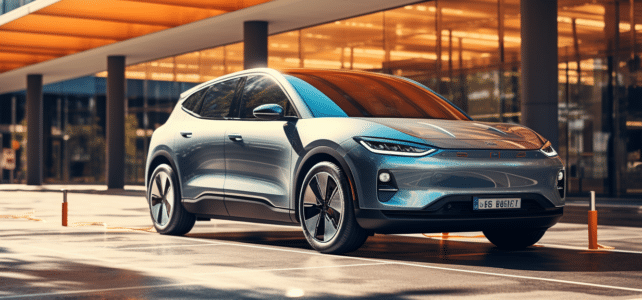
Dimensions play a fundamental role in the search for optimal parking. Whether it’s the width of spaces, the length of vehicles, or the height of underground parking, each measurement affects the capacity and efficiency of the parking area. Urban planners and engineers must juggle these variables to maximize space utilization while ensuring safety and accessibility. With the evolution of vehicle sizes, particularly the increase in SUVs and trucks, adapting the dimensions of parking spaces is becoming an increasingly complex challenge to tackle.
Determining Criteria for Optimal Parking
Optimal parking depends on a myriad of factors, where parking space dimensions play a central role. Indeed, the width of the car determines the necessary width of the space to ensure a smooth entry and exit. The NF P 91-100 standard establishes recommended dimensions for parking spaces, taking into account current trends in vehicle sizes. It specifies minimum dimensions in length and width, while considering the approach angle for perpendicular or angled parking.
Vehicle parking faces design challenges, particularly the limited availability of space in densely populated urban areas. The factor of vehicle size and types requires flexible parking space that can adapt to varying dimensions. The design must also cater to special needs, with regulations for disabled or accessible parking spaces, highlighting the requirement for accessibility.
Safety regulations and guidelines mandate that parking space dimensions vary based on several factors, including vehicle turning radius and the space needed for door openings and maneuvers. These considerations aim to reduce potential accidents and damage, thereby improving the user experience and overall safety.
The benefits of optimal dimensions are significant: increased parking efficiency and capacity, a substantial reduction in collision risks, and a better overall experience for users. Therefore, parking space dimensions must be adapted to various sizes and types of vehicles while adhering to traffic authority guidelines for harmonious and safe coexistence.

Strategies and Technologies to Improve Parking
In the pursuit of optimized parking space management, innovative solutions are multiplying. The design of compact cars emerges as a suitable response to reducing the dimensions required for each parking space. This approach, while maintaining the integrity of individual mobility, frees up space for other uses or increases the capacity of existing parking lots.
At the forefront of technology, automated parking systems and the use of vertical space are transforming the topography of parking areas. These systems allow for a denser arrangement of vehicles, significantly reducing the ground footprint required and maximizing the use of available vertical volumes.
Eco-friendly solutions are also part of a thoughtful and environmentally respectful parking perspective. The installation of green roofs on parking lots not only contributes to better landscape integration but also helps improve air quality. Promoting shared parking and carpooling aims to reduce the number of vehicles searching for a space, thereby alleviating pressure on dedicated surfaces.
Smart management technologies are emerging as key players for rational parking use. From mobile applications to integrated sensors, these innovations provide real-time valuable data on space availability, guiding drivers and optimizing vehicle flow. This interaction between the user and the parking space, based on information and anticipation, proves crucial for the efficiency of urban parking.