When looking to find out who owns the most land in France, the answer varies depending on whether we are talking about forests, agricultural land, or urban property. Metropolitan France and Corsica total approximately 55 million hectares, the majority of which is privately owned. The French land heritage is divided among the State, local authorities, religious institutions, and millions of private owners, with very different logics depending on the type of land.
Private Forests in France: The Unrecognized Weight of 3.5 Million Owners
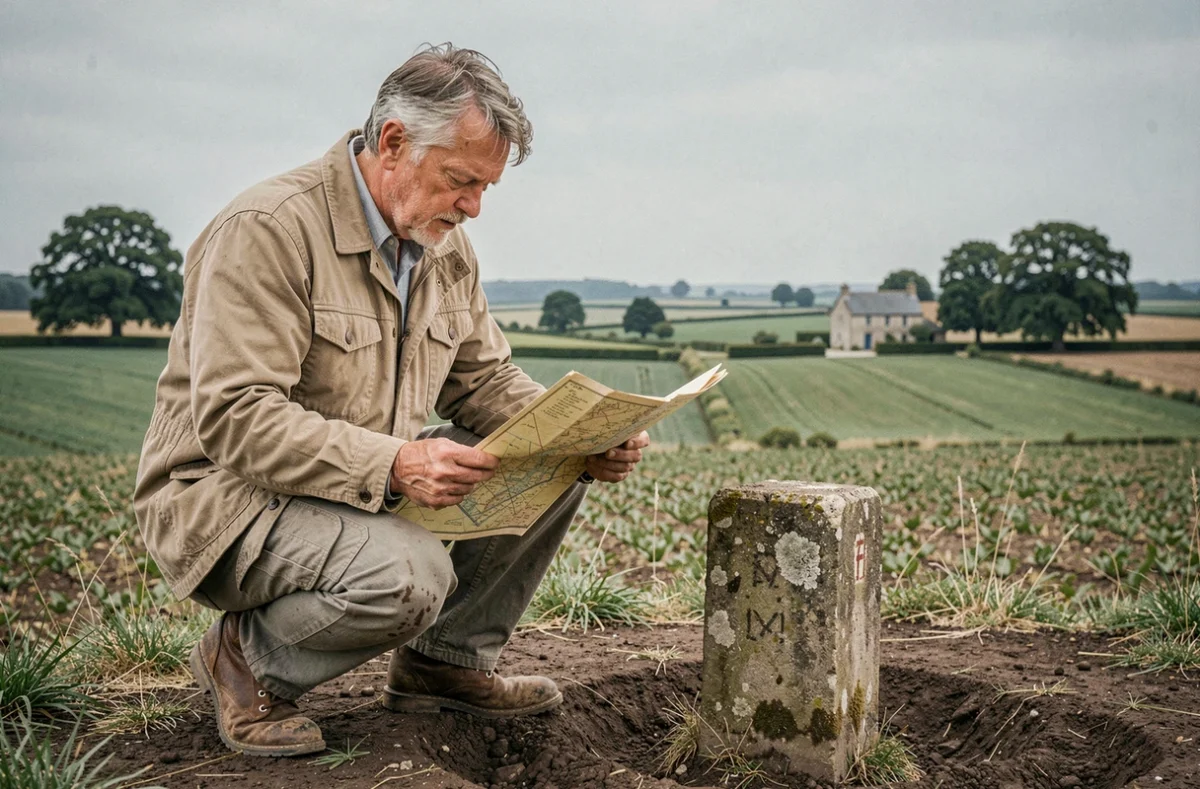
People often start by searching for a big name, an institution, a land giant. The reality on the ground is more diffuse. According to the National Forestry Office, 3.5 million private owners hold 12.6 million hectares of forest in metropolitan France.
This figure represents the majority of the total forest area, estimated at 17.6 million hectares by the National Forest Inventory (data from October 2025). State forests make up only a minority share.
Before going further, one can consult the Blogueur net site on land heritage for an overview of the different categories of landholders.
The fragmentation of this private forest ownership is considerable: nearly two million owners each possess less than one hectare. We are far from a scenario where a few large families would concentrate French forests. Private forest land resembles more a mosaic of micro-parcels, often inherited, sometimes forgotten in unresolved successions.
State and Local Authorities: A Public Land Heritage of Approximately 16 Million Hectares
The French State and local authorities collectively own about 16 million hectares, or approximately 29% of the national territory. This area includes state forests, military lands, transportation infrastructures, urban green spaces, and land allocated for public facilities.
Frequent Confusion Between Ownership and Forest Management
The National Forestry Office (ONF) manages both the forests owned by the State and those of local authorities. Adding these areas to attribute them to a single “owner” would be a mistake. The ONF administers public forests without being their owner.
This distinction between ownership and operational management is often overlooked in rankings. A managing organization can oversee hundreds of thousands of hectares without these lands appearing on its balance sheet.
Municipal Land: A Dispersed but Massive Heritage
French municipalities collectively own considerable areas. In Île-de-France, the city of Paris holds about 11.7% of Parisian land, including social housing, public facilities, and gardens. But on a national scale, it is the small rural municipalities that accumulate the largest areas, especially in mountainous regions where communal properties (forests, alpine pastures) have never been privatized.
Agricultural Land in France: Who Concentrates the Farms
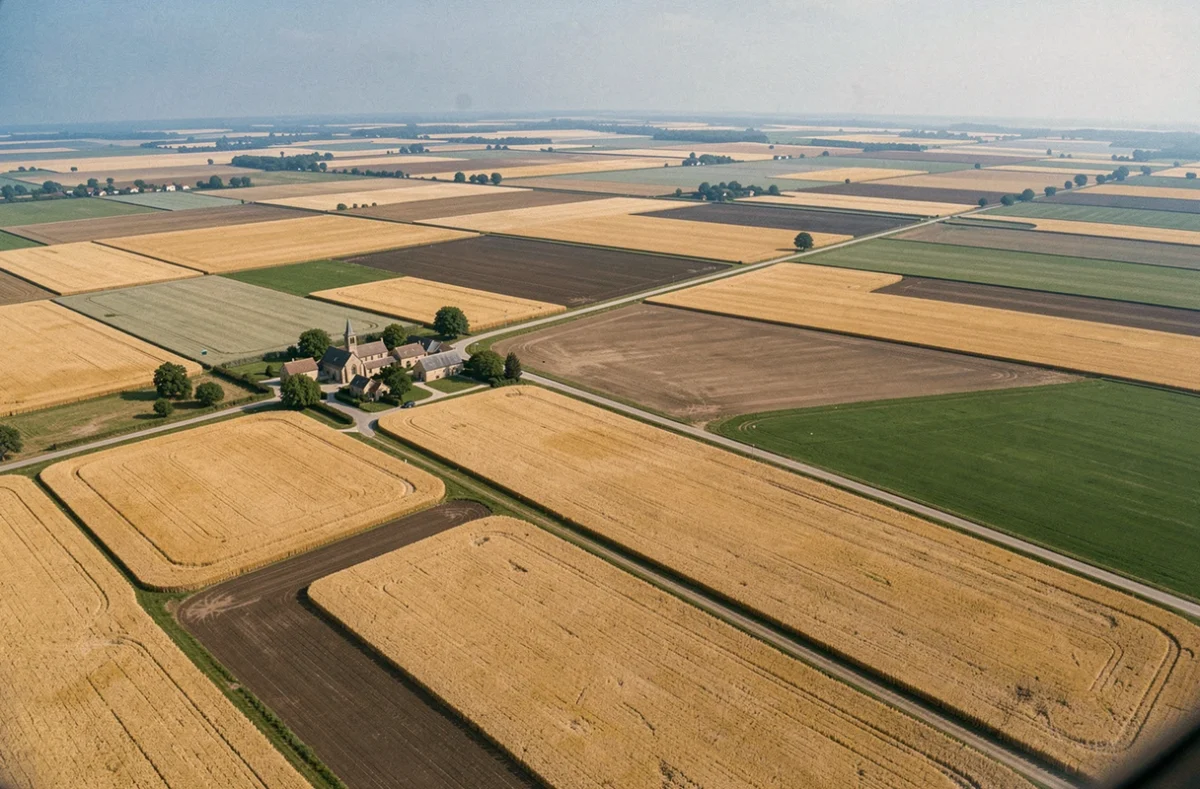
Private agricultural and forestry operations cover about 27 million hectares, nearly half of the territory. This figure does not refer to a single owner but a set of structures: individual farms, civil agricultural operating companies (SCEA), agricultural land groups (GFA).
The underlying trend is a silent consolidation of agricultural land. Farms are becoming fewer and larger. SAFER (Land Development and Rural Establishment Companies) regulate transactions, but the phenomenon of concentration is progressing, driven by companies that acquire land through complex legal arrangements.
- Individual farms remain the majority in number but are decreasing in total area owned, in favor of corporate forms.
- Institutional investors (real estate companies, specialized funds) are gradually entering the French agricultural land market, attracted by stable returns and a safe haven.
- Agricultural cooperatives generally do not own the land they operate: they group producers who remain owners of their parcels.
Catholic Church and Large Holdings: Difficult-to-Quantify Heritage
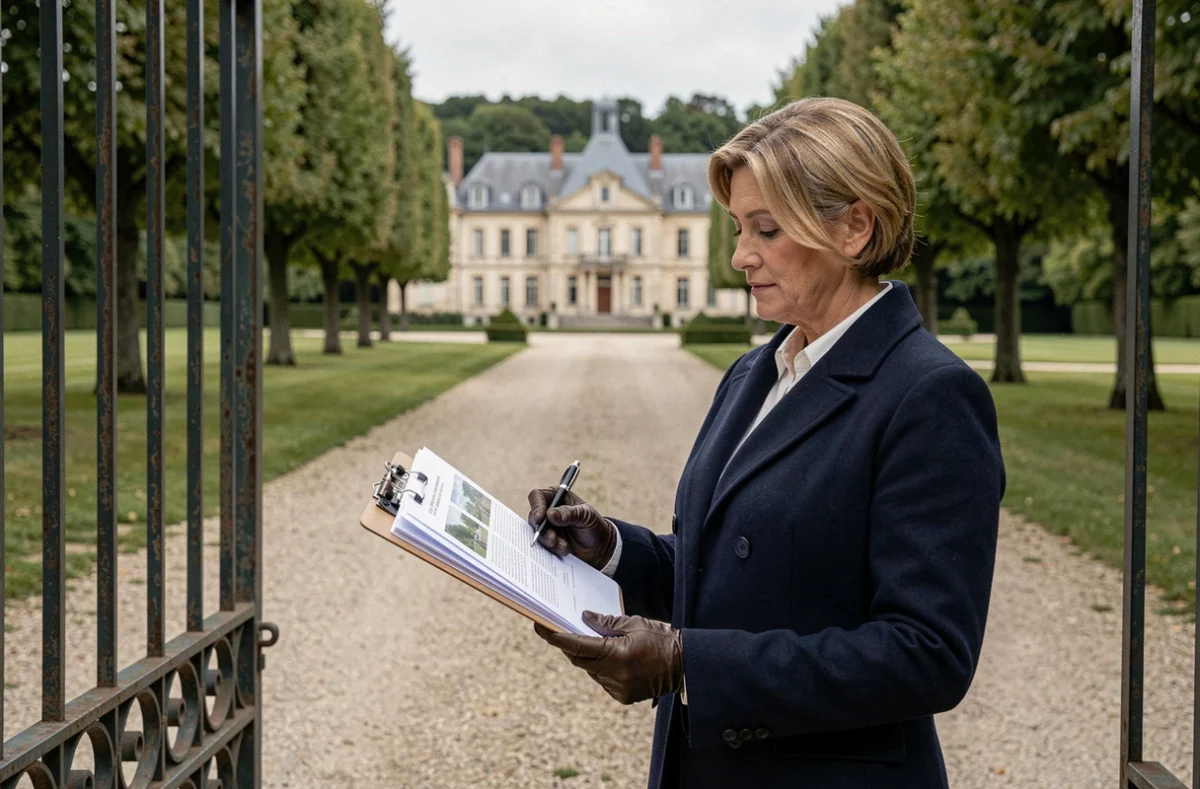
The Catholic Church is often attributed a land heritage of about 2 million hectares in France. This figure circulates in several estimates but remains approximate, as ecclesiastical properties fall under multiple legal structures: dioceses, diocesan associations, religious congregations, foundations.
Part of this property consists of places of worship, the ownership of which has belonged to municipalities since the 1905 law, further complicating the count. Agricultural and forest lands owned by congregations or religious foundations constitute the true land heritage of the Church, but a comprehensive inventory does not exist publicly.
Holdings and Real Estate Companies
Real estate companies and holdings would represent about 13% of the territory, or around 7 million hectares. This category encompasses very different profiles:
- Listed real estate companies specializing in commercial or office real estate, whose assets are measured more in value than in gross area.
- Family holdings from transport, distribution, or industry that have diversified their assets into land.
- Forest investment companies that acquire entire forests for timber production or the carbon market.
The ranking of the largest real estate fortunes in France (Challenges) places the Moulin-Houzé family, Xavier Niel, and the Cathiard family among the top ranks, but their wealth is concentrated in high-value assets (Parisian shops, hotels, vineyards) rather than vast land areas.
The question “who owns the largest land heritage” therefore does not have a unique answer. In gross area, private forest owners collectively dominate. In organized and identifiable heritage, the State and local authorities come out on top. In financial value, a few holdings and large families concentrate disproportionate amounts relative to the areas owned. The criterion used—area, value, or operational control—radically changes the ranking.