
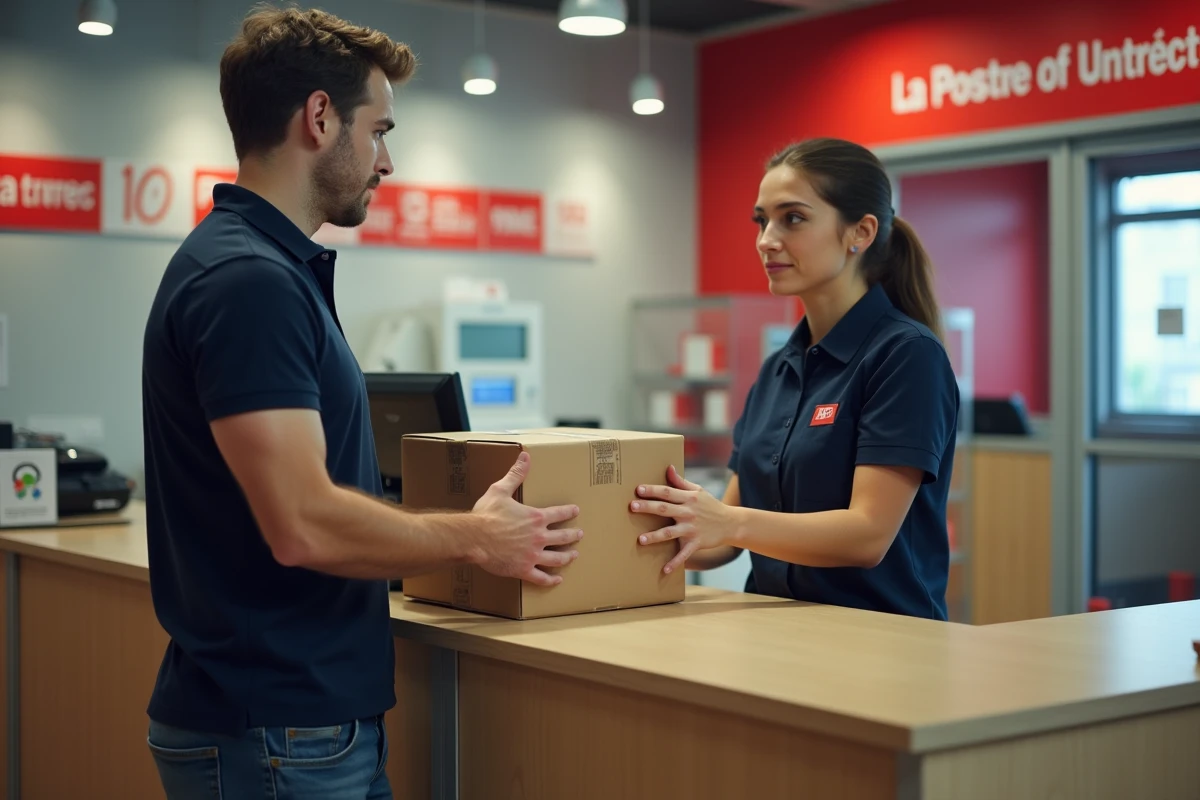
We prepare a shipment, we measure the box, and at the moment of dropping off the package at the post office, it is refused for being a few centimeters too large. This scenario happens more often than we think, especially because the Colissimo calculation rule is not just a simple maximum length. Understanding the formula L + l + h and its thresholds helps avoid paying a surcharge, or worse, having your package rejected at the counter.
Colissimo dimension calculation formula: what the counter really checks
La Poste does not just check that one side of the package does not exceed one meter. The main criterion is based on the sum of the three dimensions: length, width, and height. We add these three measurements, and it is this total that determines which category the package falls into.
In practical terms, if the sum remains below the standard threshold, we pay the normal rate. If it exceeds it without crossing the upper limit, a bulky surcharge applies. Beyond that, the package is simply no longer eligible for Colissimo.
To clearly understand the maximum dimensions for a Colissimo package, it is important to remember that every side counts in the addition, not just the largest one.
Cylindrical and atypical formats
Cylindrical shipments (posters, rods, fishing poles) follow a specific pricing structure. La Poste applies a special rate for rolls, with specific dimension thresholds. If you regularly send this type of format, it is better to check the dedicated grid rather than applying the standard rule.
Colissimo bulky surcharge: when 6 euros makes a difference
The 6 euro surcharge for bulky packages represents an additional cost that goes unnoticed on a single shipment but quickly adds up for regular activity. When shipping several dozen packages per month, every extra centimeter of packaging costs a lot.
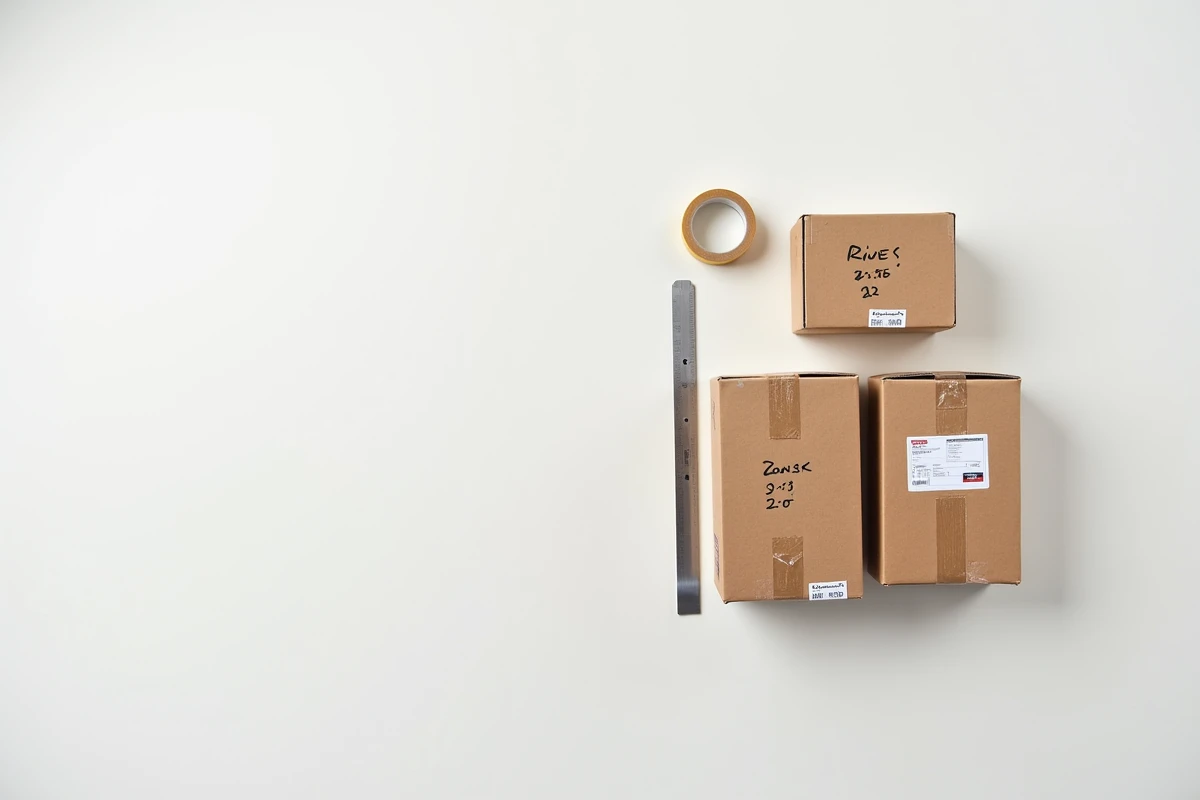
The practical reflex: before choosing a box, measure the item and calculate the sum L + l + h with the proposed box. If you are close to the standard threshold, reducing padding or switching to a more fitting packaging sometimes allows you to stay under the limit and avoid the surcharge.
Ready-to-send packages as a safety net
La Poste sells pre-paid boxes and envelopes whose dimensions are calibrated to stay within the limits. For online sellers who do not want to deal with the calculation, this is a simple option. The rate is fixed, the packaging is compliant, and it saves time at the time of postage.
- Pre-paid boxes guarantee dimensional compliance without additional calculations
- Interior padding should be designed not to artificially inflate the height of the package
- A box too large for the item risks pushing the shipment into the bulky category
Real limits at pickup points and automatic lockers
This is a point that many sellers discover too late: Pickup points and lockers often impose stricter restrictions than the general Colissimo conditions. A package perfectly compliant with the official limits can be refused at a pickup point for storage or locker dimension reasons.
Returns vary on this point depending on the pickup points. Some merchants accept bulky packages without issue, while others refuse as soon as the format is out of the ordinary. When shipping to a pickup point, it is better to allow a safety margin concerning the theoretical maximum dimensions.
Marketplaces and specific limits
Some selling platforms impose their own ceilings, sometimes well below the Colissimo standard. The Whatnot platform, for example, limits shipments from its sellers in France to dimensions significantly lower than the official limits, with a reduced maximum weight. Packages exceeding these thresholds are simply rejected, even if they meet La Poste’s conditions.
This trend extends to other connected postage solutions. There is an increasing gap between what Colissimo theoretically allows and what integrated commercial flows accept in practice. Before preparing a shipment, it is essential to check the conditions of the platform used, not just those of the carrier.
Weight and dimensions: two constraints to check in parallel
We often think of weight first, but a lightweight package can be refused if it exceeds the size limits. The two criteria are independent: the package must comply with both the weight ceiling and the dimensional constraints to be accepted.
- The maximum weight for a Colissimo shipment is set at 30 kg
- The sum of the three dimensions (L + l + h) must not exceed the maximum threshold, or it will be refused
- None of the three individual dimensions may exceed the maximum length allowed for a single side
- A heavy but compact item will pass more easily than a lightweight but bulky item
For international shipments or to overseas territories, additional restrictions may apply depending on the destination. Remote areas sometimes have lower weight or dimension ceilings compared to mainland France.
When Colissimo is no longer enough
Beyond Colissimo limits, networks like Mail Boxes Etc. offer to switch to other carriers capable of handling large sizes. This segmentation is now common: Colissimo for standard and bulky formats, another provider as soon as the package approaches the physical handling limits.
The right reflex remains to measure and calculate before packing, not after. A tape measure, the formula L + l + h, and a quick check of the current thresholds are enough to avoid a refusal at drop-off or an unexpected surcharge. The few seconds invested in this check save many trips to the post office.