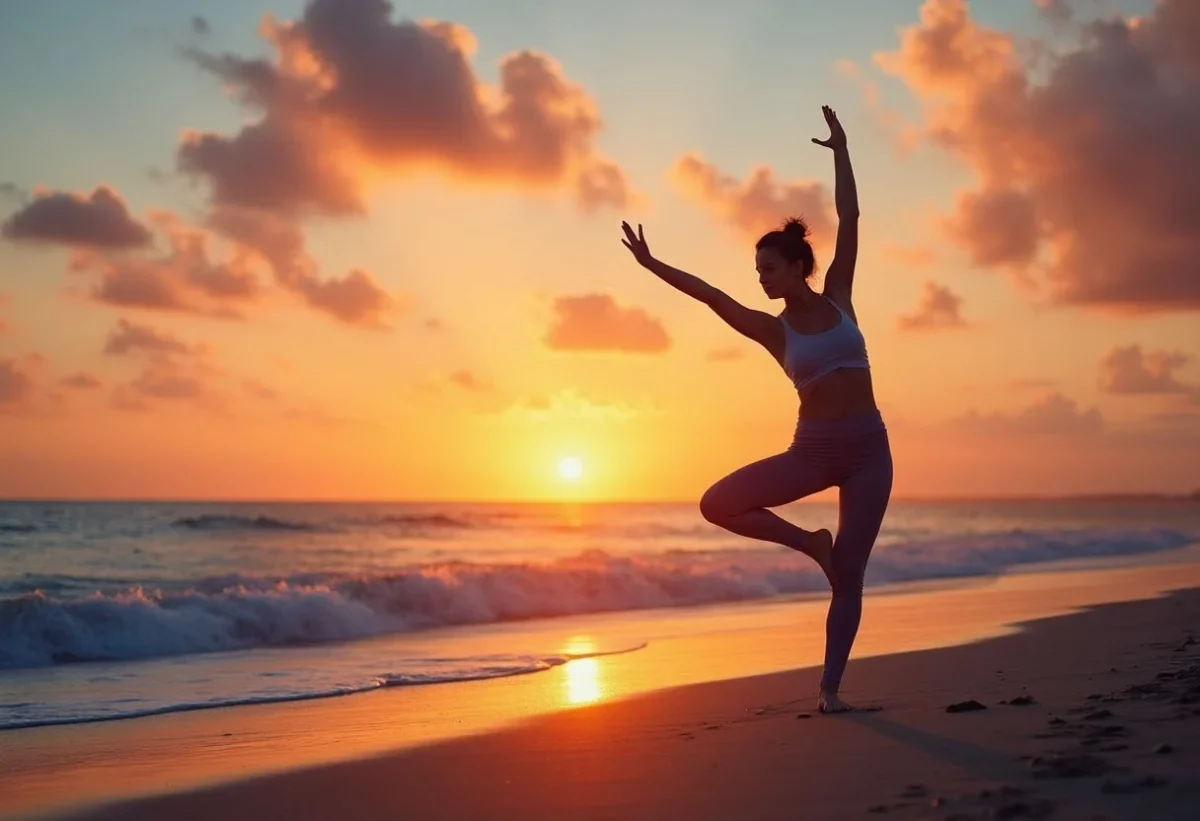
In a world of constant evolution where stress and daily demands continue to grow, many seek an escape to cultivate both body and mind. Yoga and Pilates often present themselves as ideal solutions. Although they are frequently mentioned together, these two disciplines hold significant differences. They address sometimes similar needs but adopt distinct approaches to achieve physical and mental well-being.
Distinct Origins and Histories
The roots of yoga and Pilates delve into fascinating and distinct histories that have shaped their current practices.
Yoga finds its origins in India over 5,000 years ago. Initially designed as a spiritual practice, it aimed to unite the body, mind, and soul. The word yoga itself derives from the Sanskrit yuj, meaning union. The numerous styles of yoga developed over the centuries, such as Hatha, Vinyasa, or Bikram, testify to this rich history. Each of these styles emphasizes inner harmony and mental focus.
- Pilates is a relatively recent discipline, created in the early 20th century by Joseph Pilates. The initial goal was the physical rehabilitation of soldiers injured during World War I.
- This method has evolved over the years, incorporating exercises aimed at strengthening the body, improving posture, and developing flexibility.
- Unlike yoga, Pilates is deeply rooted in the principles of physiotherapy and human anatomy.
Goals and Benefits for the Body
The differences between yoga and Pilates also manifest through their respective goals and the benefits they bring to the body.
With yoga, the focus is on mental and physical balance. The postures, or asanas, are designed to enhance flexibility, balance, and overall body strength. Additionally, the integration of meditation and pranayama (controlled breathing) helps reduce stress and promote better concentration. It seeks holistic well-being, where each movement is performed mindfully, fostering a deep connection between body and mind.
In contrast, pilates paris places greater emphasis on muscle strengthening and core stabilization. The exercises are designed to specifically target the body’s center, also known as the powerhouse, which includes the abdominal muscles, lower back, and hips. Pilates often utilizes specialized equipment like the reformer, which adds extra resistance to intensify the exercises. The main goal is to improve posture, increase strength, and promote correct body alignment.
Specific Techniques and Practices
The techniques employed in yoga and Pilates diverge significantly, further illustrating their distinction.
In yoga sessions, the practice is fluid and often meditative. Sessions may include sequences of postures synchronized with breath, such as the sun salutation. Some forms of yoga, like Ashtanga or Vinyasa, are dynamic and physically demanding, while others, like Yin or Restorative, prioritize deep relaxation and rest. Props such as mats, blocks, and straps are commonly used to facilitate certain postures.
- Pilates classes are generally more structured. They often begin with a warm-up, followed by a series of targeted exercises, and end with stretching.
- The movements are precise and controlled, with particular attention paid to breathing and maintaining proper body alignment.
- Exercises can be performed on the floor, on a mat, or using equipment like the reformer, Cadillac, or chair.
- Each exercise is designed to strengthen muscle deeply without increasing muscle bulk.
Yoga and Pilates, although often confused, offer unique approaches for those seeking to enhance their physical and mental well-being. Each of these disciplines has its own riches to offer, depending on individual needs and goals.