
Dog owners often find themselves facing the appearance of soft masses under their four-legged companion’s skin. Among these masses, the lipoma is one of the most common. Although it is generally benign, it is essential to know how to identify it correctly to determine the necessity of a visit to the veterinarian. The ability to recognize a lipoma at the right time is crucial to ensure your pet’s well-being. Early detection and a thorough understanding of lipomas can not only reassure you but also prevent any potential complications. So, how can one spot a lipoma in a dog, and when is it relevant to seek a specialist’s opinion to ensure the health of your loyal companion?
The characteristics of a lipoma in dogs
Understanding the distinctive signs of a lipoma is essential for an effective initial assessment. Here are the main characteristics that can help you spot these fatty masses.
- Appearance and texture: a lipoma generally appears as a soft and mobile mass under the skin. It is often painless, and its soft texture differentiates it from other types of harder tumors.
- Location: although these tumors can appear anywhere, they are most commonly found on the trunk, neck, and thighs of the dog, areas where the skin is often more relaxed.
- Evolution: the size of a lipoma can vary. Some remain small, while others may grow slowly over time. A rapid increase in size may require veterinary attention.
Risk factors and predispositions
Some dogs are more likely than others to develop lipomas. Understanding the associated risks can help better manage and monitor the appearance of these fatty masses.
- Age and breed: older dogs are more prone to developing lipomas. Certain breeds, such as Labrador Retrievers, Doberman Pinschers, and Schnauzers, seem predisposed. Therefore, if your dog belongs to one of these breeds and starts showing signs, increased monitoring is recommended.
- Environmental factors: while genetics play a role, environment and diet can also influence the formation of lipomas. A diet high in fats or a lack of exercise could contribute to their development.
When to consult a veterinarian?
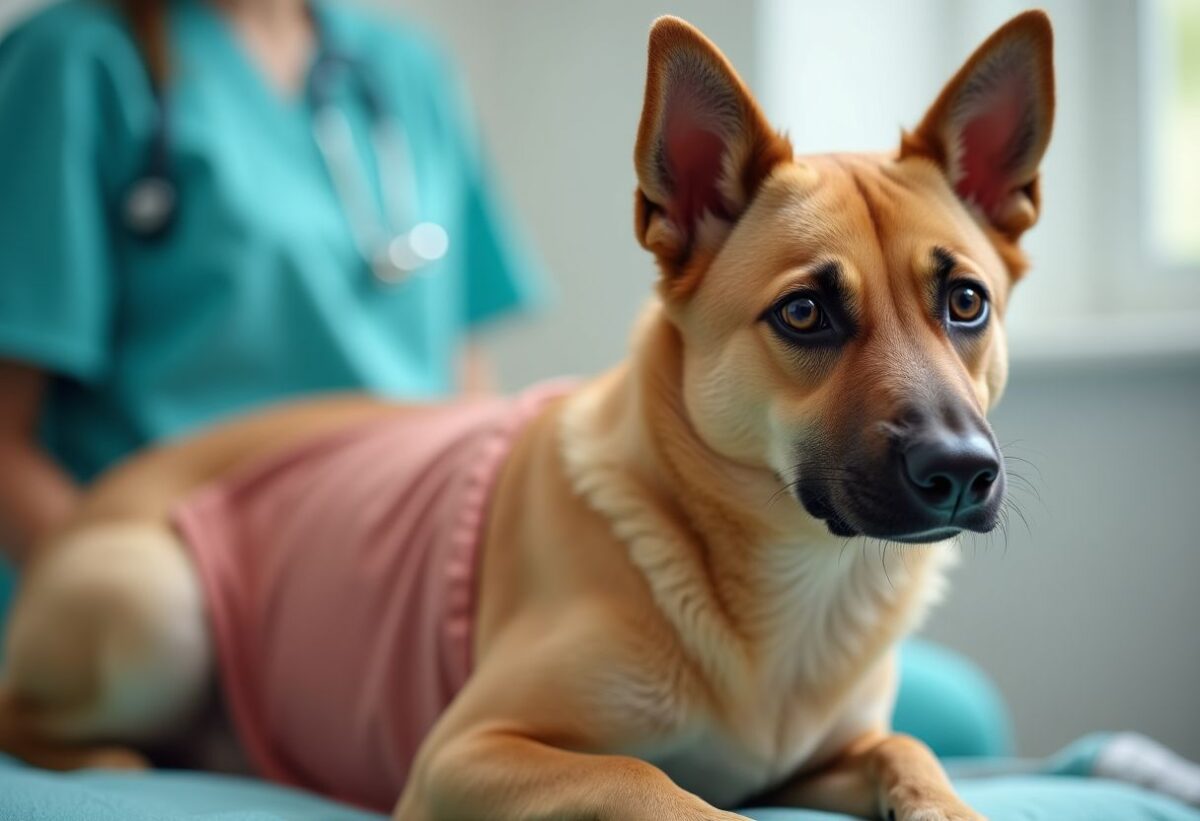
Although a lipoma is generally benign, certain situations require immediate medical attention to avoid any potential complications. Here are some scenarios in which a veterinary consultation is strongly advised:
- Rapid change: if the mass grows quickly or changes in texture, this could indicate a more serious problem requiring thorough examination.
- Appearance of associated symptoms: signs such as redness, pain, or discomfort in the dog should be taken seriously.
- Diversity of masses: the presence of multiple masses may require evaluation to rule out the possibility of liposarcomas, which are malignant forms of lipomas.
- Regular consultations: a professional evaluation allows for confirmation of the diagnosis and advice on managing and monitoring lipomas.
Management and treatment options
Once a lipoma has been diagnosed, several options are available to you for managing this condition. Taking a proactive approach ensures your dog’s comfort and prevents potential complications.
For some lipomas that do not cause discomfort, careful observation with regular check-ups may suffice. However, when the size or location of a lipoma interferes with the dog’s mobility or causes pain, surgical intervention may be considered. In these cases, pet insurance may cover some of the associated costs.
Finally, natural therapies and dietary adjustments are gaining popularity as alternatives or complements to traditional treatments. These methods aim to reduce the size of lipomas or slow their growth, thereby ensuring better comfort for your dog.
Recognizing a lipoma in dogs and knowing when to consult a veterinarian are essential skills for any attentive owner. By being aware of the characteristics of lipomas, risk factors, and warning signs, you can play an active role in your companion’s health.