A garden is not just about its plant palette. The quality of a visit depends on the geological substrate, exposure, landscape choices, and how the site responds to recent climatic constraints. Here we offer a technical reading of gardens to visit in France, focusing on criteria that traditional tourist guides often overlook.
Climate Adaptation of Remarkable Gardens: What is Changing Practically
The repeated heatwaves in recent years have forced managers of historic gardens to rethink their plant palettes and irrigation systems. The French formal garden model, with its boxwood embroidery and water-demanding flowerbeds, is under direct pressure.
During public openings in Vendée, discussions among amateur gardeners focused on the adaptations made after several heat episodes, particularly the importance of plant diversity within a vegetable garden. Combining flowering plants with vegetable crops limits evapotranspiration and promotes cross-pollination.
This trend goes beyond private gardens. Several heritage sites now incorporate Mediterranean species into historically Atlantic or Loire-based compositions. For visitors wishing to spot these changes on-site, the detailed sheets available on escapades-aux-jardins.fr help target gardens that have made this transition.
We recommend paying attention to ornamental grass beds and mineral mulching areas: these are visible markers of management adapted to warming. A garden that maintains an irrigated English lawn in the height of summer, without educational explanation, raises questions about the sustainability of its model.
Botanical Gardens and Conservatories: A Living Plant Heritage
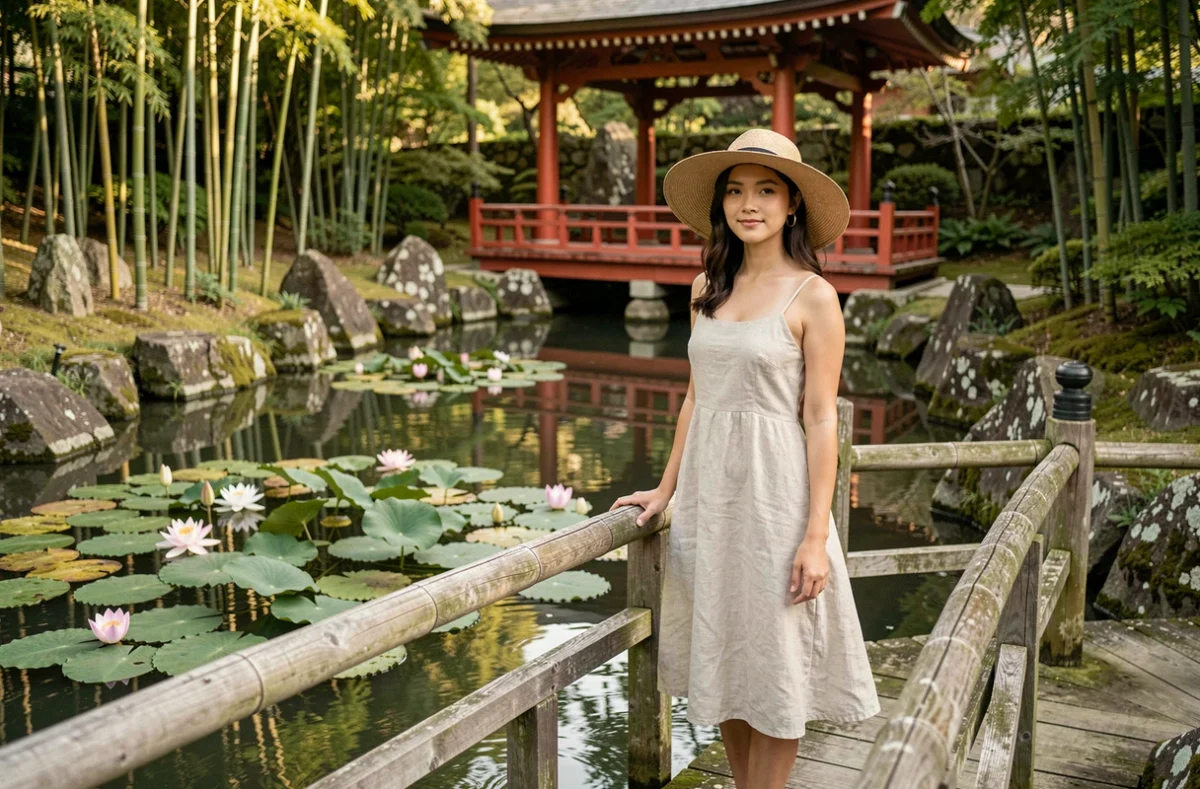
Botanical gardens are not just decorative green spaces. Their primary purpose remains ex situ conservation and taxonomic study. Visiting a botanical garden with this perspective transforms the experience.
Collections of heirloom varieties and forgotten plants represent an underutilized angle of visit. Some sites organize thematic outings around these heritage plants, blending botany and agricultural history.
Criteria for Evaluating the Quality of a Botanical Garden
- The presence of complete labeling (Latin name, family, geographic origin, conservation status) reflects the scientific seriousness of the site.
- Specialized collections (tree ferns, carnivorous plants, terrestrial orchids) indicate a positioning beyond mere landscape enhancement.
- The existence of practical transmission workshops, aimed at both adults and youth, on cultivation techniques and ecological transition, differentiates an active conservatory from a stagnant garden.
The Jardin des Plantes in Paris or the botanical gardens of the Loire and Brittany offer this type of approach. Before planning a visit, checking the schedule of educational workshops allows one to benefit from content that mere wandering does not provide.
Topiary Art and French Gardens: Reading the Structure Before the Flowers
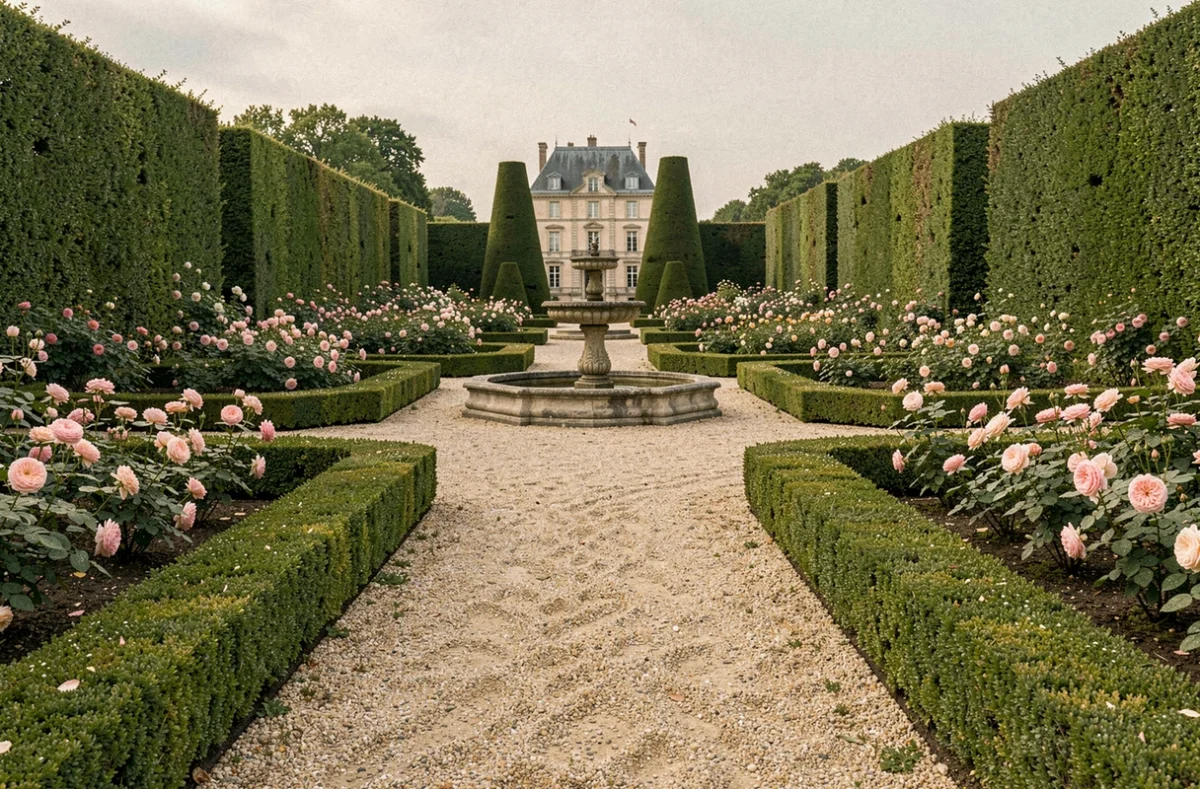
Topiary art requires regular manual pruning, sometimes several times a year. When you visit a chateau garden where the boxwoods create arabesques over several hectares, it is the maintenance that creates the spectacle, not the initial planting.
The gardens of Eyrignac in Dordogne illustrate this discipline taken to the extreme. Each plant volume adheres to a calculated geometry that fits into an overall landscape perspective. The park of the Château de Villandry, in the Loire Valley, combines topiary art with an ornamental vegetable garden whose compositions change with the seasons.
What Distinguishes a French Garden from a Simple Symmetrical Composition
Symmetry is not enough. A French garden is based on a main perspective axis, embroidery flowerbeds, terrace levels, and a controlled relationship between mineral and plant. The ground design is viewed from an elevated viewpoint, often a balcony or terrace of the chateau.
We observe that many visitors walk through these gardens at ground level without ever seeking the elevated viewpoint. The visit then loses its architectural dimension. Spotting this belvedere upon arrival radically changes the understanding of the place.
Accessibility and Facilities: Compare Before You Go
The accessibility of gardens is not limited to the mention “accessible for people with reduced mobility” on a brochure. A French publication released in 2025, published by the DMA and Tourism & Handicaps, lists initiatives covering heritage sites, natural spaces, accommodations, and adapted activities.
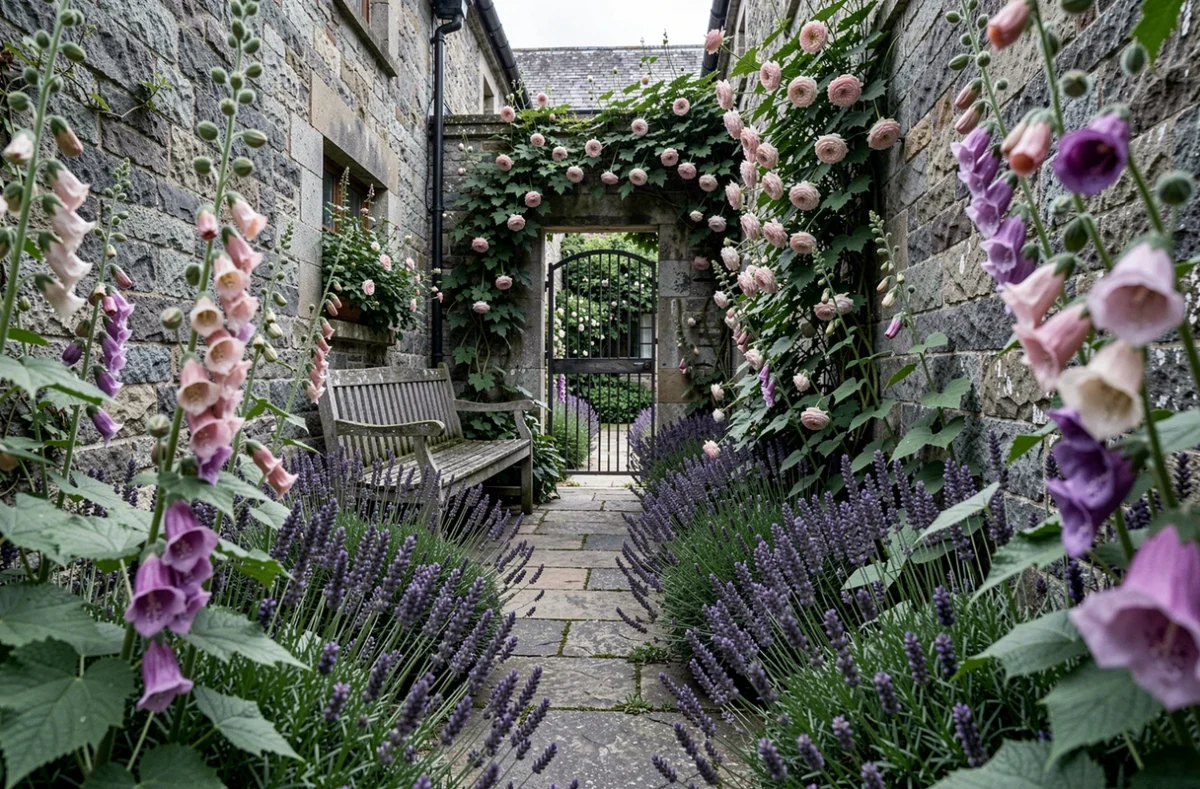
A useful guide compares actual facilities: width of paths, type of surface (stabilized, gravel, grass), presence of shaded benches at regular intervals, signage in braille or relief. Public park gardens in urban areas (Paris, Nantes, Brittany) generally offer better infrastructure than rural private estates, but some chateaus have invested in adapted sensory paths.
- Check the nature of the soil: a garden with fine gravel remains accessible in a wheelchair, while a path with coarse, unstabilized gravel does not.
- Inquire about sensory devices: gardens of aromatic plants accessible to touch, sound trails, tactile models of the garden plan.
- Consult recent reviews rather than old labels: a label awarded several years ago does not guarantee the current state of the facilities.
Heritage Vegetable Gardens and Food Gardens: A Growing Angle of Visit
The concept of a garden to visit is expanding to include conservatory vegetable gardens and public food gardens. These sites intersect botany, history, and sustainable agricultural practices. Heirloom varieties of vegetables and fruit trees, often absent from commercial circuits, are cultivated and documented here.
The interest lies not only in contemplation. These gardens function as pesticide-free cultivation laboratories, in line with the zero pesticide approach that is becoming widespread in French communities. Observing crop associations, organic mulching techniques, and rotations practiced on-site provides lessons directly transposable to a domestic garden.
Some sites offer themed weekends around forgotten plants and landscapes of the world, combining botanical discovery and knowledge transmission. This format is gaining popularity and meets a growing demand for active nature, where the visitor leaves with concrete knowledge rather than just photos.
The choice of a garden to visit benefits from integrating these technical criteria: climate adaptation, botanical depth, landscape readability, real accessibility, and food dimension. A garden that ticks several of these boxes offers a richer experience than a simple seasonal floral display.